

Benefits of Hyaluronic Acid for Face and Body
Hyaluronic acid has become one of the most talked-about ingredients in skincare, and for good reason. But beyond the buzz, this molecule does something genuinely remarkable: it holds up to 1000 times its own weight in water. Whether you're dealing with dryness, dullness, or early signs of ageing, hyaluronic acid works quietly in the background, doing the kind of work your skin actually needs. Here's a closer look at what it does, and why it earns a place in your routine from head to toe.
What Is Hyaluronic Acid?
Hyaluronic acid might sound like a complex lab invention, but it's actually one of the most natural substances your body produces. It's a clear, gel-like molecule that exists in high concentrations in your skin, eyes, and joints. Think of it as your body's built-in hydration system - always working to keep tissues moist, cushioned, and functioning well. The reason it became a skincare staple is simple: it does its job exceptionally well, and it does it gently.
A molecule your body already makes
Hyaluronic acid is a naturally occurring substance found in your skin, joints, and connective tissue. It's not an acid in the harsh sense - it doesn't exfoliate or strip. It belongs to a group of molecules called glycosaminoglycans, and its entire job is to retain moisture. Your body produces it on its own, but levels drop with age, sun exposure, and environmental stress. Topical and supplemental hyaluronic acid helps replenish what's lost.

7 Benefits of Hyaluronic Acid for Face and Body
When an ingredient works for nearly every skin type, concern, and age group - it's worth paying attention to. Hyaluronic acid isn't a trend. It's a skin essential that dermatologists, estheticians, and researchers consistently back. Here's exactly what it does when you make it a regular part of your skincare routine.
1. Deep and lasting hydration
Hyaluronic acid draws moisture from the environment into the skin and locks it there. This isn't surface-level hydration - it works across multiple layers of the skin, making it effective for both the face and body, especially areas like elbows, knees, and shins that tend to dry out faster.
2. Reduces the appearance of fine lines and wrinkles
When skin is well-hydrated, it plumps up naturally. This temporary plumping effect smooths out fine lines and makes deeper wrinkles appear less pronounced. With consistent use, hyaluronic acid supports the skin's natural elasticity, which is one of the first things to decline with age.
3. Supports skin barrier function
The skin barrier protects you from pollutants, bacteria, and moisture loss. Hyaluronic acid strengthens this barrier by keeping skin cells sufficiently hydrated and by working alongside other lipids and proteins in the outer layer of skin. A stronger barrier means less sensitivity, less redness, and fewer flare-ups.
4. Soothes and calms irritated skin
Hyaluronic acid has natural anti-inflammatory properties. It's gentle enough for reactive and sensitive skin types and is often used in post-procedure care precisely because it calms without causing further irritation. If your skin is prone to redness or reacts easily to products, hyaluronic acid is one of the safest actives to introduce.
5. Accelerates wound healing and skin repair
Research shows that hyaluronic acid plays an active role in the skin's repair process. It regulates inflammation levels and signals the body to build more blood vessels in areas that need healing. This makes it useful not just for everyday skincare, but for recovering skin that has been exposed to sun damage, minor abrasions, or environmental stress.
6. Compatible with almost every skin type
Oily, dry, combination, sensitive, acne-prone - hyaluronic acid suits all of them. Because it's a humectant and not an oil or occlusive, it doesn't clog pores or cause breakouts. It layers well under SPF, moisturisers, and other actives, which makes it one of the most versatile ingredients in any routine.
7. Keeps body skin soft and supple
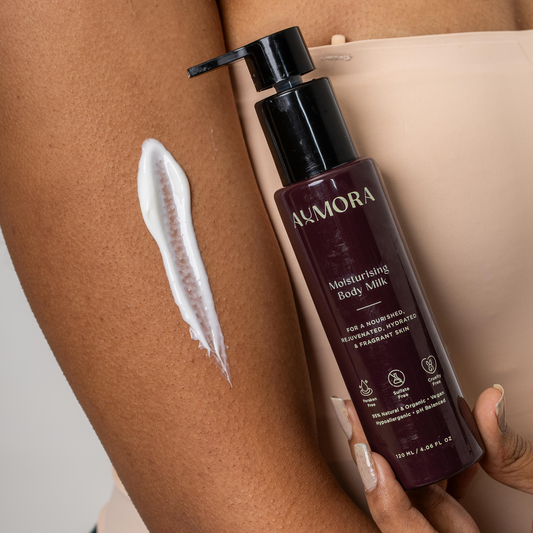
The body is often neglected in skincare conversations. Hyaluronic acid in body lotions and washes works the same way it does on the face - pulling moisture in and holding it. Areas like the neck, chest, hands, and legs respond particularly well and show visible improvement in texture and softness within a few weeks of consistent use.
Final Thoughts: Small molecule, significant impact
Tags:
Previous
Why You Smell Good Right After a Shower But Not 2 Hours Later - The Real Reason
Next
Why Your Skin Needs a Night Routine - And What Happens When You Skip It