

Can Indians Achieve the Coveted Glass Skin Look?
Who doesn’t desire that luminous, dewy glow – the kind that makes your skin look as clear, smooth, and radiant as glass? The Korean beauty trend of glass skin has redefined skincare routines worldwide, emphasizing exfoliation, hydration, and radiance. But with genetic differences, varying skin tones, and diverse environmental conditions, can Indian women truly achieve this look?
As per research studies, over 60% Indian women face pigmentation issues due to sun exposure, hormonal changes, or aging. Nearly 70% Indian women also struggle with oily or combination skin. In such a scenario, achieving a glass skin demands more than just blindly following a global trend. Now, the question arises: how can Indian women adapt the glass skin look while addressing their unique skin concerns? The key lies in adapting its principles to Indian skin needs while ensuring the appropriate mix of protection and care. Come, let’s explore!
What is Glass Skin and what is the Indian Version of Glass Skin?
Glass skin, the hallmark of K-beauty, is popular for skin that is intensely hydrated, pore-free, and has a luminous finish. It is achieved by light layers of different skincare products, which create a glowing translucent effect. However, a one-size-fits-all strategy cannot guarantee this look because it is affected by factors like climate, melanin levels, and skin texture that determine how glass skin can be achieved across different ethnicities.
While Korean glass skin emphasizes deep hydration for a dewy, almost reflective appearance, Indian glass skin follows a slightly different approach. With higher melanin levels and exposure to hot and humid weather, Indian skincare is focused on balancing hydration with oil control, improving skin brightness while maintaining a natural, healthy glow. To better understand both Korean and Indian glass skin, let's now explore what makes them different from each other.

Korean Glass Skin Vs. Indian Glass Skin: 7 Key Differentiators
Indian glass skin and Korean glass skin differ in many aspects - complexion, texture, melanin levels, and more. Let’s check out these differentiators below:
| Aspect | Korean Glass Skin | Indian Glass Skin |
|---|---|---|
| Focus | Intense hydration for a dewy, translucent finish | Healthy glow with a correct balance between hydration and oil control |
| Climate Adaptation | Designed for temperate/cool climates | Optimized for hot, humid, and tropical conditions |
| Skincare Steps | 10-step routine that includes double cleansing, toners, essences, serums, and sheet masks | Cleansing, exfoliation, hydration, and sun protection with minimal layering |
| Makeup Integration | Luminous, glass-like finish with dewy foundation or BB creams | Lightweight, matte or semi-dewy base to prevent excess oil |
| Sun Protection | High SPF usage but with added emphasis on skin repair | SPF with UVA/UVB protection isn’t optional—it’s essential to prevent hyperpigmentation and sun-induced aging. |
| Cultural Influence | Rooted in K-beauty innovations and traditional herbal remedies | Ayurvedic skincare, enriched with ingredients like turmeric for brightening and sandalwood for soothing, blends with modern formulations to achieve a radiant, balanced glow. |
| Overall Look | Ultra-hydrated, glossy, and almost reflective skin | Radiant, fresh, and perfectly balanced glow |
Can Indians Achieve Glass Skin?
Absolutely! Glass skin isn’t limited to Korean beauty – it's a universal goal of achieving healthy, radiant, and well-hydrated skin. However, rather than chasing the pore less, translucent look, Indian glass skin is about achieving deep hydration, an even skin tone, and a natural glow.
The key? Customizing skincare routines to suit Indian skin concerns. Instead of layering multiple K-beauty products, Indian glass skin can be achieved with sun protection, lightweight hydration, and targeted treatments for hyperpigmentation. It’s about achieving a warm, dewy glow rather than aiming for an ultra-smooth, pale finish. With the correct skincare habits, lifestyle changes, and consistent care, achieving naturally luminous, even-toned, and plump Indian glass skin is well within reach!

How Can Indians Adapt the Glass Skin Routine?
Achieving Indian glass skin is not about copying the K-beauty routine – it's about adapting skincare to our climate and needs. The Indian skin has 4-5 times more melanin than lighter skin tones. This provides natural sun protection but also makes it prone to hyperpigmentation and uneven skin tone. With humidity levels in India ranging from 40% to over 90%, skincare must concentrate on lightweight hydration, oil control, and sun protection, especially as excessive sweating and the tendency to skip sunscreen can lead to clogged pores and pigmentation issues.
Key Characteristics of Indian Glass Skin
Before we explore how Indian skin can adapt the glass skin routine to its climate, let’s have a look at the key characteristics of Indian glass skin:
- Healthy Glow: A natural, warm, radiant skin tone rather than a pale, porcelain-like finish.
- Plump & Hydrated: Skin that feels soft, supple, and deeply nourished.
- Even-Toned Radiance: Skin that is free from dark spots, patches, and pigmentation.
- Smooth, Refined Texture: Gentle exfoliation and hydration work together to create a fresh, natural glow. It also maintains a balanced skin pH that’s neither too shiny, greasy, glossy, nor dry and patchy.

How to Get Glass Skin in India’s Climate?
While Korean skincare focuses on multiple layering of products, skin care for glass skin in India demands a balanced approach that works with heat, humidity, and pollution. Here’s how to adjust your routine for a radiant and non-greasy glow:
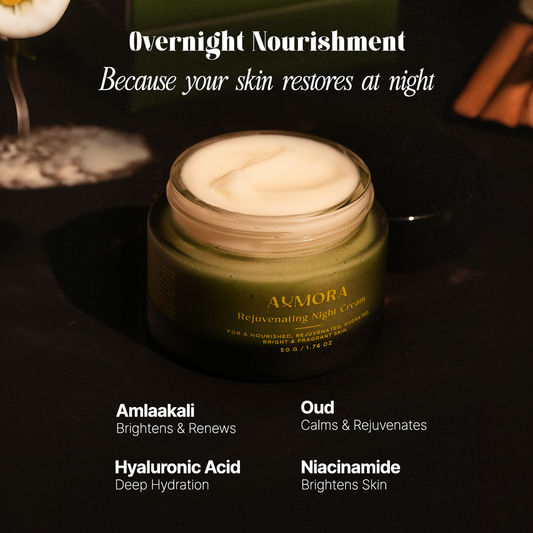
- Lightweight Hydration, Not Heavy Layers: Skip thick creams and go for gel-based moisturizers with hyaluronic acid and niacinamide to lock in hydration without clogging pores. Pair them with a water-based face serum for glass skin, ensuring deep hydration that stays breathable in humid conditions.
- Sweat-Proof Sunscreen Is a Must: Indian skin is prone to tanning and pigmentation. Use an SPF 50+ sunscreen with UVA/UVB protection and a matte finish. Reapply it frequently to stay protected.
- Gentle Exfoliation for Brighter Skin: Exfoliate 1-2 times per week using AHAs/BHAs to eliminate dead skin and restore brightness. Also, avoid over-exfoliating, particularly in hot and dry season, to prevent irritation. (winter)
- Oil Control Without Stripping Moisture: A balancing toner with green tea or vitamin C keeps oil in check while maintaining hydration. This helps prevent breakouts while keeping the skin barrier intact.
- Nighttime Barrier Repair: Daily exposure to pollution and heat can weaken the skin barrier. Strengthen and restore skin health at night with ceramides and Centella Asiatica, popular for their soothing and repairing properties.
By focusing on suitable lightweight glass skin products, sun protection, and hydration, you can achieve Indian glass skin that is naturally radiant and fresh, without excess shine!

Glass Skin India Edition: A Tailored Skincare Routine
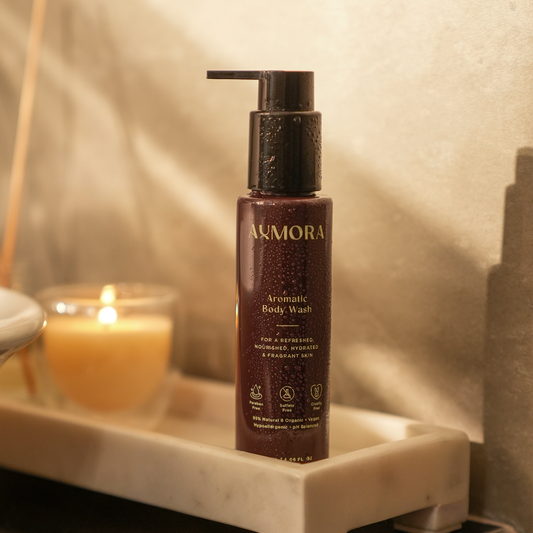
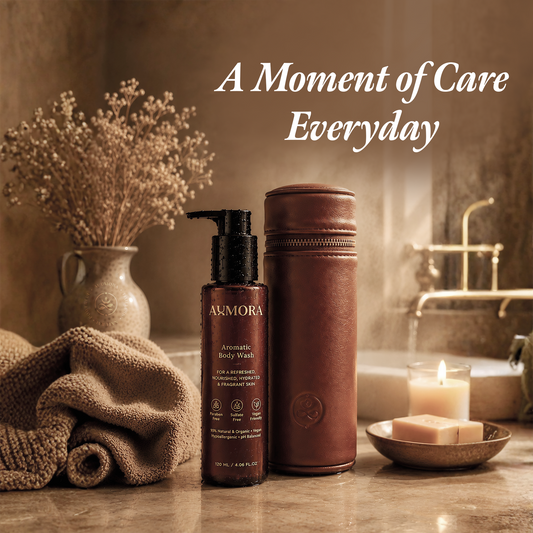
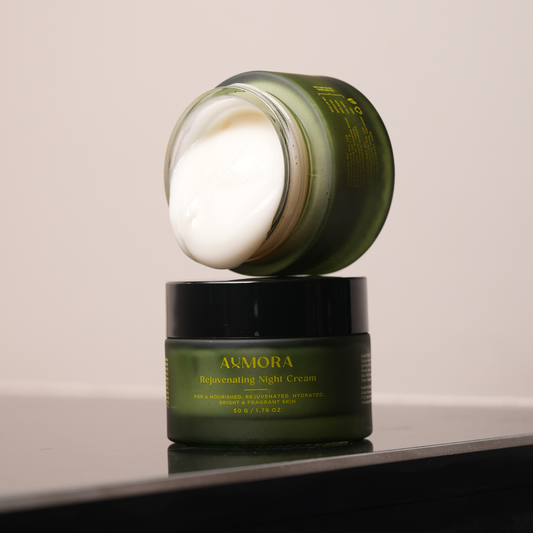
Achieving Indian glass skin isn’t about following a rigid routine – it's about developing a skincare strategy that aligns with your skin type, climate, and lifestyle. With India’s hot and humid weather and pollution levels, maintaining a radiant, pore-free glow requires balancing hydration with oil control and addressing concerns such as uneven skin tone. The key? You don’t require an elaborate 10-step routine or high-end products. A carefully curated mix of affordable glass skin products by Auumora, simple home remedies, and a strategic skincare routine, can help you achieve that coveted look.
What Kind of Products to Use for a Luminous Glow?
Flawless, radiant, and dewy – glass skin is more than just a trend; it’s a skincare philosophy centered around deep hydration and a well-structured routine. But how to achieve glass skin efficiently? Well, the secret lies in using the right products that nourish, protect, and refine your skin. Here’s all that you must include in your routine for that luminous glow:
- Hydrating Serums: A face serum for glass skin must contain powerhouse ingredients such as hyaluronic acid or glycerin to deeply hydrate while keeping the skin non-greasy.
- Exfoliating Toners: Opt for gentle exfoliating toners with AHA or BHA to remove dead cells and promote a smooth, even texture.
- Brightening Creams: Look for creams rich in vitamin C, niacinamide, or licorice extract to reduce pigmentation and enhance radiance.
- Lightweight Moisturizers: Choosing the right moisturizer for glass skin is essential. Hence, go for oil-free options that have aloe vera or green tea to maintain hydration without clogging pores.
- SPF Protection: A broad-spectrum SPF (SPF 50+) is necessary for protecting your skin for sun damage and preventing further pigmentations.
With the correct combination of these products, achieving glass skin becomes a reality rather than just a beauty aspiration.

Best Home Remedies for Natural Glass Skin
Now that you have a step-by-step skincare routine in your hand to achieve the Indian glass skin look, let’s explore some of the best home remedies. These natural solutions are gentle on the skin, free from harsh chemicals, and contain easily available ingredients.
- Rice Water Toner (Use daily): Rice water is rich in antioxidants, vitamins, and minerals, which help brighten the skin, reduce pigmentation, and promote smoothness. Using it daily helps maintain an even skin tone and a glowing complexion.
- Honey & Aloe Vera Mask (2-3 times a week): Honey has natural antibacterial properties and is a humectant, drawing moisture into the skin. Aloe vera soothes and hydrates, increasing skin moisture by up to 30%. Together, they work to hydrate, calm irritation, and enhance your skin's softness.
- Turmeric & Yogurt Pack (1-2 times a week): Turmeric’s anti-inflammatory properties help reduce pigmentation, redness, and skin irritation, while yogurt contains lactic acid that gently exfoliates, removing dead skin cells. Together, they provide a brightening effect and promote smoother, more even skin.
- Rose Water Mist (Use daily): Rose water has soothing and anti-inflammatory properties that help balance the skin's pH, reduce irritation, and refresh the skin. It hydrates and tones, keeping your skin feeling fresh and dewy throughout the day.
These home remedies, when used consistently, can enhance your natural glow and help you achieve that radiant glass skin look.
Your Personalized Glass Skin Journey Starts Today!
Achieving glass skin isn’t an overnight transformation – it's a journey that demands patience, consistency, and the right skincare routine. On average, it takes around 4-6 weeks of dedicated care to see visible improvements in skin texture, hydration, and overall radiance. However, the timeline may vary based on individual skin concerns. Those dealing with acne scars, hyperpigmentation, or uneven skin tone may require more time and targeted treatments to achieve the glass skin look.
The key to success lies in hydration, gentle exfoliation, sun protection, and a well-balanced routine customized to Indian skin and climate. Remember, Indian glass skin is not about achieving an unrealistic, pore less look – rather it’s about promoting a healthy, radiant, and naturally glowing skin. So, if you are ready to embark on this unique skincare journey, begin today!
Glass skin isn’t about perfection—it’s about consistent care. With the right approach and Auumora’s expert solutions, your natural radiance can shine through.
Tags:
Previous
Is SPF Enough for Summer Skin Care Routine? Your Skin Disagrees!
Next
How to Spot a Truly Natural & Organic Skin Care Brand?
Related articles




Benefits of Hyaluronic Acid for Face and Body
May 19 2026