
Your Skin Has a Barrier - Here's How Summer Is Slowly Breaking It Down
You wash your face, apply your moisturiser, drink your water - and yet your skin still feels tight, looks dull, or randomly breaks out. Sound familiar? You're probably not doing anything wrong. The real culprit is something most people overlook entirely: a damaged skin barrier that's quietly taking a beating every single summer.
What Is the Skin Barrier and Why Does It Matter
Think of your skin barrier as a brick wall. The skin cells are the bricks, and the lipids - ceramides, fatty acids, cholesterol - are the mortar holding everything together. This outermost layer of your skin, called the stratum corneum, does two critical jobs: it keeps moisture locked in and keeps irritants, bacteria, and pollutants locked out.
When this wall is intact, skin feels soft, stays hydrated, and resists irritation. When it's compromised, everything starts to fall apart - and summer is one of the most aggressive seasons for that to happen.
How Summer Damages Your Skin Barrier

Heat and Sweat
Constant heat pushes your skin into overdrive. Sweat is your body's natural cooling system, but excessive sweating throws off your skin's natural pH. Your skin thrives at a slightly acidic pH of around 4.5–5.5. Heat disrupts this, making it harder for the barrier to function and easier for bacteria to settle in - which explains the sudden breakouts and irritation many people experience in summer.
Sun Exposure
UV radiation is one of the most well-documented triggers of skin barrier damage. It breaks down the lipid layer, depletes ceramides, and generates free radical activity that weakens the skin's structural integrity. Even moderate, daily sun exposure without protection adds up over weeks, leaving the barrier thinner and more reactive.
Over-Cleansing and Harsh Products
Summer skin feels oilier, so people tend to cleanse more aggressively - switching to stronger face washes, scrubbing more often, using alcohol-heavy toners. This strips away the very lipids the barrier needs to stay healthy. The more you strip, the more oil your skin produces to compensate, and the cycle keeps going.
Air Conditioning
Spending hours in air-conditioned spaces pulls moisture out of the skin consistently. Your barrier depends on hydration to stay intact, and dry, recirculated air is essentially a slow leak - you don't notice it in the moment, but your skin certainly does by evening.
Signs You Have a Damaged Skin Barrier
Before you can work on how to fix a damaged skin barrier, you need to know what to look for. Common signs include:
Skin that feels tight or uncomfortable after cleansing
Redness or sensitivity to products that never bothered you before
Dry patches even in humid weather
Breakouts in areas that aren't usually prone to acne
A dull, lackluster complexion that no amount of moisturiser seems to fix
If you're seeing two or more of these in summer, your barrier is likely compromised.
How to Repair Skin Barrier: What Actually Works
Simplify Your Routine
The first step in how to heal your skin barrier is to stop overwhelming it. Cut back to the basics - a gentle, low-pH cleanser, a hydrating moisturiser, and SPF. Remove any active ingredients like retinoids, strong exfoliants, or high-concentration acids until your barrier recovers.
Prioritise Ceramide-Rich Moisturisers
Ceramides are the most important lipid in your skin barrier. When you replenish them topically, you're essentially giving your barrier the raw materials it needs to rebuild. Look for a barrier repair cream or moisturiser that lists ceramides, niacinamide, and fatty acids prominently - these work synergistically to restore the skin's lipid matrix and reduce sensitivity.
Don't Skip Moisturiser Just Because It's Hot
This is one of the most common summer skincare mistakes. Humidity doesn't mean your skin is hydrated - your barrier still needs moisturising support. Switch to a lighter, non-comedogenic formula if your usual one feels too heavy, but don't skip it entirely.
Rebuild With Overnight Repair
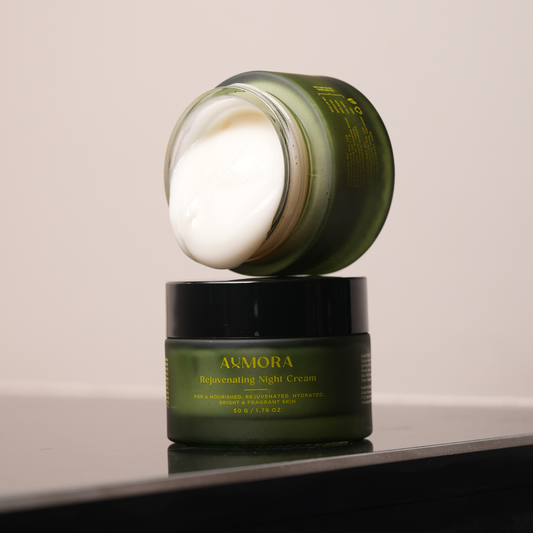
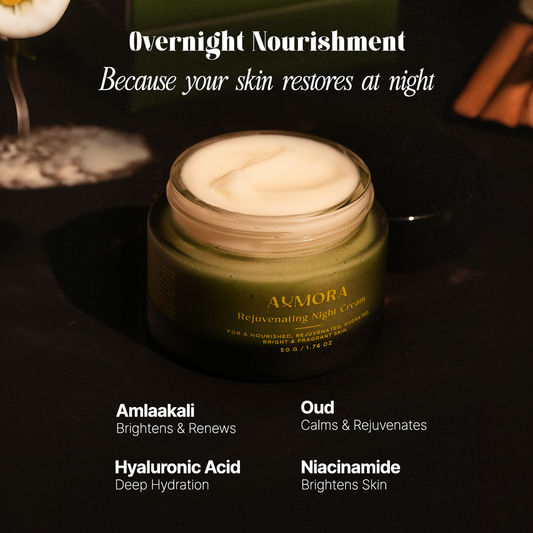
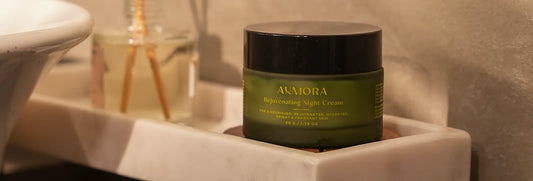
Nighttime is when your skin does its deepest repair work. Supporting that process with a nourishing night cream - ideally one formulated with restoring botanicals and skin-identical lipids - can significantly speed up skin barrier repair. The Auumora Rejuvenating Night Cream is a great option here, formulated to work with your skin's overnight renewal cycle using a blend of natural actives and science-backed ingredients.

Be Consistent With SPF
No summer skincare routine is complete without daily SPF. Sunscreen doesn't just prevent tanning - it actively protects the barrier from UV-induced lipid degradation. Apply it every morning, even on cloudy days, and reapply if you're outdoors.
Final Thoughts
Your skin barrier is not invincible, and summer tests it in multiple ways at once - heat, UV, over-cleansing, and air conditioning all contribute to its slow breakdown. The good news is that with the right care, skin barrier repair is absolutely possible. Simplify, nourish, protect, and be patient. Your skin knows how to heal - it just needs the right conditions to do so.
Looking for products that support barrier health through every season? Check out Auumora's range - formulated where Ayurveda meets modern science, for skin that's built to last.
Tags:
Previous
Summer Travel Essentials: The Only Skin Survival Guide You Need for Beaches, Hills & City Breaks
Next
What a Body Wash Actually Does to Your Skin And Why Most People Are Using the Wrong One
Related articles





Benefits of Hyaluronic Acid for Face and Body
May 19 2026